Professional HVAC Cost Guidance
Understanding HVAC Repair Costs in Norwood, PA
Cost Factors That Influence System Repairs
When planning for heating and cooling system maintenance in Norwood, understanding what drives pricing helps businesses and property owners make informed decisions. Several key elements determine the final investment required for restoring optimal climate control functionality.
The age and condition of your equipment significantly impact repair expenses. Older units manufactured before 2010 often require specialized parts that are no longer readily available, increasing both material and labor costs. Systems approaching 15-20 years of service frequently experience compounding issues where one failure triggers additional component stress, leading to more extensive service needs.
Seasonal demand in the Norwood area creates natural price fluctuations throughout the year. During the humid summer months when commercial facilities and residential properties rely heavily on cooling systems, service requests surge. Similarly, when winter temperatures drop and heating systems run continuously, the demand for technicians increases. Scheduling non-emergency maintenance during spring or fall typically provides better availability and potentially more favorable pricing.
The complexity of your specific system architecture matters considerably. Modern variable-speed systems, multi-zone configurations, and specialized commercial installations require technicians with advanced training and diagnostic equipment. A straightforward single-stage residential unit presents fewer challenges than a sophisticated building management system controlling multiple zones across a commercial property.
Refrigerant type has become an increasingly important cost consideration. Older systems using R-22 refrigerant face substantially higher material expenses due to phase-out regulations. Properties with equipment requiring this discontinued refrigerant often benefit from evaluating whether continued repairs remain economically sensible compared to system replacement using modern, environmentally-friendly alternatives.
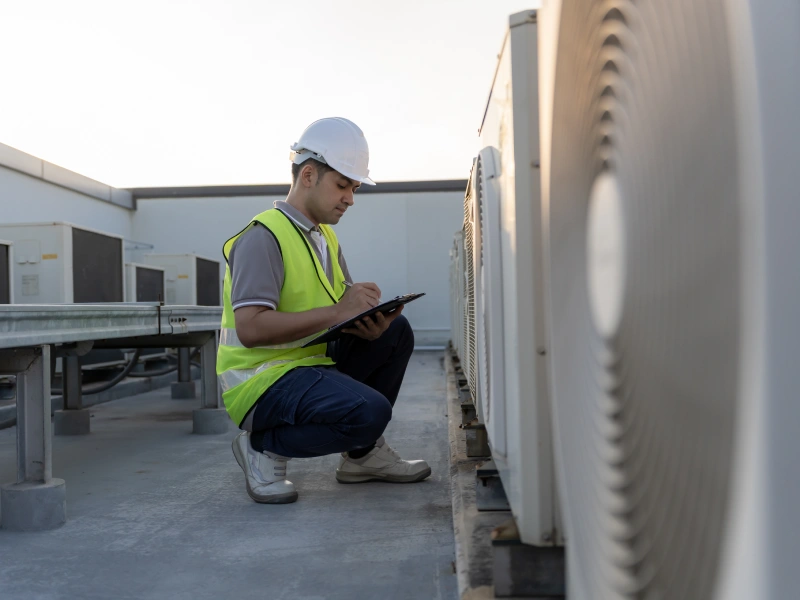
Accessibility affects labor time and therefore total investment. Rooftop commercial units, systems installed in tight crawl spaces, or equipment surrounded by stored materials require additional effort to service properly. Ensuring technicians can reach your equipment efficiently helps control costs while allowing thorough, quality work.
Common Issues and Their Typical Price Ranges
Different mechanical failures carry varying price tags based on the parts involved, labor intensity, and urgency of the situation. Recognizing common problems helps set realistic expectations when issues arise.
Thermostat malfunctions represent some of the most affordable fixes. A faulty sensor or wiring issue typically requires minimal parts and can often be resolved within a single service visit. When control system problems extend to zone dampers or more sophisticated building automation systems, the investment naturally increases due to additional components and programming requirements.
Capacitor failures occur frequently, particularly as systems age. These small components that help motors start and run smoothly are relatively inexpensive parts, but failure symptoms often mimic more serious issues. Professional diagnosis ensures you’re addressing the actual problem rather than replacing functional components unnecessarily.
Refrigerant leaks present a more substantial challenge. Simply adding refrigerant without locating and repairing the leak creates an ongoing problem that worsens over time. Proper service involves leak detection, repair, evacuation, and recharging the system to manufacturer specifications. The location and extent of the leak significantly influence the total cost, with evaporator coil leaks typically requiring more extensive work than simple line set repairs.
Compressor issues rank among the most significant expenses for climate control systems. When this central component fails, property owners face a critical decision point. Compressor replacement represents a major investment, often approaching 40-50% of a new system cost. This scenario frequently prompts evaluation of whether investing in an aging system makes financial sense versus applying funds toward modern, more efficient equipment.
Blower motor and fan problems fall into the moderate cost category. These components endure substantial wear from continuous operation, particularly in commercial settings with extended run times. Bearing wear, electrical failures, and belt issues (in older systems) require professional attention to restore proper airflow and prevent secondary damage to other components.
Duct and ventilation concerns vary widely depending on scope. Minor sealing and insulation improvements cost considerably less than extensive ductwork modifications or complete system rebalancing across a commercial facility.
Preventive Strategies That Control Long-Term Expenses
The most effective approach to managing climate control expenses involves preventing problems before they require emergency intervention. Strategic maintenance practices deliver measurable returns through extended equipment life, improved efficiency, and reduced unexpected failures.
Scheduled professional maintenance visits provide the foundation for reliable system operation. During these appointments, trained technicians inspect electrical connections, measure refrigerant pressures, evaluate component condition, clean critical areas, and identify developing issues while they remain minor and affordable to address. This proactive approach costs substantially less than reactive emergency service calls during extreme weather when your comfort and business operations depend on immediate resolution.
Filter management represents the single most impactful action property owners can take between professional service visits. In the Norwood area, where seasonal pollen counts run high in spring and humidity increases particulate buildup during summer, regular filter attention maintains proper airflow and protects internal components. Commercial facilities with higher occupancy or specialized air quality requirements may need monthly filter changes, while residential properties typically benefit from quarterly replacement.
Monitoring system performance helps catch problems early. Unusual sounds, longer run times to achieve desired temperatures, inconsistent comfort levels across different areas, or unexpected increases in energy consumption all signal developing issues worthy of professional evaluation. Addressing these early warning signs prevents minor problems from cascading into major failures.
Thermostat programming optimization ensures your system operates only when necessary without sacrificing comfort. Commercial properties benefit from setback schedules during unoccupied hours, while residential customers can adjust settings during work hours or overnight. Modern programmable and smart thermostats make this simple while delivering measurable energy savings that offset their modest investment.
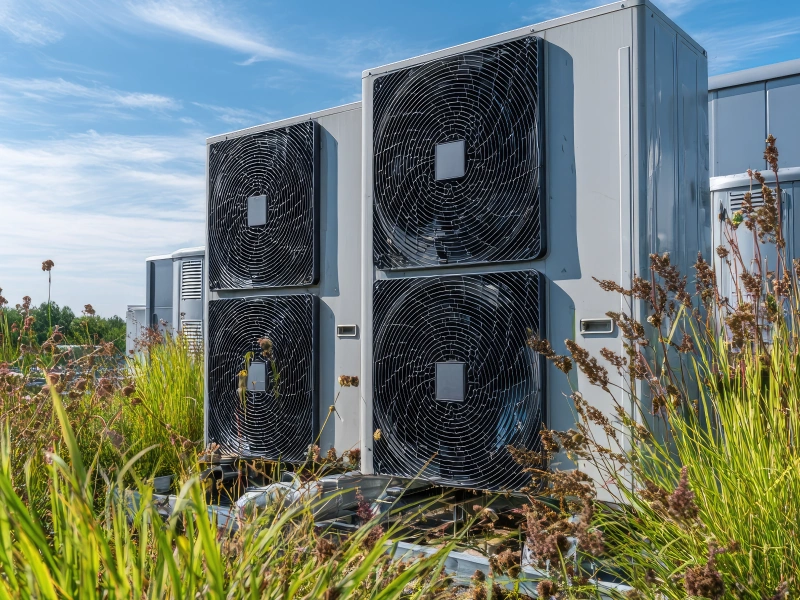
Maintaining clearance around outdoor units prevents performance degradation. Accumulated leaves, grass clippings, landscaping debris, and winter snow restrict airflow, forcing systems to work harder and increasing wear on components. Keeping a clear 24-inch perimeter around condensing units allows proper operation and heat exchange.
Documentation creates valuable history that guides future decisions. Maintaining records of service dates, repairs performed, parts replaced, and system performance helps identify patterns and determine when ongoing investment in aging equipment no longer makes economic sense compared to replacement with modern, efficient technology.
When to Repair Versus Replace Your Equipment
One of the most challenging decisions property owners face involves determining whether investing in repairs makes sense or whether replacement represents the smarter financial choice. Several factors help clarify this decision.
The age-cost relationship provides a useful starting framework. A general guideline suggests multiplying the repair cost by the system age in years. If this number exceeds 5,000 for residential systems or proportionally higher thresholds for commercial equipment, replacement typically delivers better long-term value. For example, a $500 repair on a 12-year-old system yields 6,000 (500 x 12), suggesting replacement consideration.
Frequency of recent repairs indicates reliability trends. Systems requiring professional intervention multiple times within a single year signal declining dependability. The cumulative cost of repeated repairs, combined with the inconvenience and potential business disruption from unreliable climate control, often justifies transitioning to new equipment.
Energy efficiency improvements in modern equipment create ongoing operational savings that offset higher initial investment. Today’s systems operate 20-40% more efficiently than units manufactured 15 years ago. For commercial properties with substantial cooling and heating loads, these efficiency gains generate monthly utility savings that accumulate significantly over a system’s 15-20 year service life.
Refrigerant considerations increasingly influence replacement decisions. Equipment using R-22 refrigerant faces escalating material costs and eventual obsolescence. When these systems require substantial repairs involving refrigerant work, transitioning to modern equipment using current refrigerants avoids throwing good money after systems with diminishing parts availability and support.
Comfort and performance issues that repairs cannot fully resolve indicate fundamental system limitations. Undersized equipment, poor original installation, or configurations that don’t match current property use patterns continue causing problems regardless of component repairs. Replacement provides opportunity to properly size and configure systems for actual current needs.
Warranty protection on new equipment provides financial security and predictable costs during the initial years of operation. Major component failures during warranty periods incur minimal expense compared to out-of-warranty repairs on aging systems.
Financing options and seasonal promotions can make replacement more accessible than expected. Many situations where repair seems like the only affordable option shift when considering available financing programs that spread replacement costs over time while immediately delivering energy savings and improved reliability.
How Professional Service Protects Your Investment
The quality of service your climate control equipment receives directly impacts both immediate repair costs and long-term system performance. Choosing qualified professionals makes a measurable difference in outcomes and overall expenses.
Proper diagnosis prevents unnecessary parts replacement and ensures technicians address the actual problem rather than symptoms. Advanced diagnostic tools and systematic troubleshooting methodology identify root causes, saving money by avoiding the trial-and-error approach that can characterize less qualified service. A skilled technician distinguishes between a failed capacitor and a failing compressor, preventing expensive misdiagnosis.
Quality workmanship during repairs affects how long fixes last and whether they create secondary issues. Proper brazing techniques on refrigerant lines, correct electrical connections, appropriate fastener selection, and attention to manufacturer specifications separate lasting repairs from temporary patches that fail prematurely. Cutting corners during service creates future problems that cost more to address than doing the job right initially.
Genuine parts and appropriate materials ensure compatibility and longevity. While aftermarket components may offer initial savings, OEM parts typically provide better reliability and performance. Professional service providers maintain relationships with reputable suppliers and stock quality components appropriate for various equipment types.
Documentation and transparency build trust and provide valuable information for future service needs. Detailed invoices explaining work performed, parts installed, system readings before and after service, and recommendations for future attention create a maintenance history that guides subsequent decisions. This transparency helps property owners understand what they’re paying for and why specific services matter.
With 45 years of experience serving Norwood businesses and properties, Aire Pro Commercial Services brings deep knowledge of commercial and industrial climate control systems. Their technicians understand the unique demands placed on commercial equipment and the importance of minimizing downtime that affects business operations. Whether addressing refrigeration systems critical to product storage, maintaining comfortable environments for customers and employees, or ensuring reliable hot water supply, their systematic approach to diagnosis and quality-focused service helps properties avoid unnecessary expenses while maintaining dependable operation. Their established presence in the community reflects a commitment to relationships built on reliable service rather than one-time transactions.
Emergency service availability protects against the highest-cost scenarios. Systems that fail during extreme weather or outside normal business hours create urgency that can drive prices higher. Service providers offering 24-hour emergency response help minimize discomfort, prevent secondary damage from extreme temperatures, and provide options when immediate attention becomes necessary.
Ongoing relationships with a trusted service provider deliver better outcomes than calling different companies for each issue. Technicians familiar with your specific equipment, property configuration, and service history work more efficiently and provide more informed recommendations. This continuity prevents duplicated diagnostic work and builds institutional knowledge that benefits the property owner.
Transparent pricing and detailed estimates before work begins eliminate surprises and allow informed decision-making. Professional service providers explain what needs attention, why it matters, what it will cost, and what outcomes to expect. This communication empowers property owners to prioritize work based on urgency, budget, and long-term goals rather than making pressured decisions without adequate information.