Maintain Consistent Water Quality and Chemistry Balance
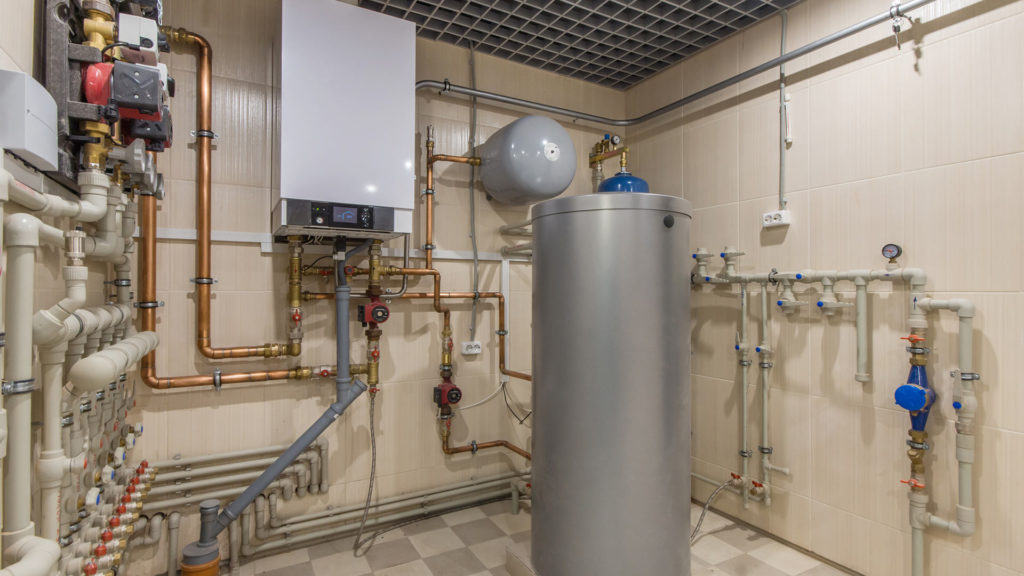
Water quality stands as the single most critical factor determining how long your commercial hot water heater or steam boiler will operate reliably. Poor water chemistry accelerates corrosion, creates mineral scale deposits on heat exchanger surfaces, reduces thermal efficiency, and ultimately leads to premature system failure. In commercial settings throughout Delaware and Chester Counties, the municipal water supply often contains dissolved minerals, oxygen, and other contaminants that attack boiler components from the inside.
Regular water testing should occur monthly at minimum, with immediate corrective action when pH levels drift outside the 8.5 to 10.5 range or when dissolved oxygen exceeds acceptable limits. Install and maintain a proper chemical treatment system that includes oxygen scavengers, scale inhibitors, and pH adjusters matched to your specific boiler type and operating pressure. Many facility managers in the Philadelphia region discover during routine HVAC maintenance services that neglected water treatment has caused extensive internal damage that could have been prevented with consistent monitoring.
Blow down your boiler regularly according to manufacturer specifications. This process removes concentrated solids and contaminants that settle at the bottom of the vessel. In industrial settings with high-demand heating cycles common to Norwood-area warehouses and manufacturing facilities, daily blow down procedures often prove necessary. Consider installing automated blow down controllers that maintain optimal water quality without requiring manual intervention, reducing the risk of operator error while protecting your capital investment.
Schedule Professional Inspections and Clean Heat Exchangers Regularly
No amount of in-house monitoring can replace the value of scheduled professional inspections by qualified commercial HVAC contractors. Annual inspections before the heating season begins allow trained technicians to identify wear patterns, test safety controls, verify combustion efficiency, and catch small problems before they escalate into system failures during peak demand periods. Pennsylvania winters place tremendous stress on heating equipment, with continuous operation from November through March in most commercial facilities throughout the Delaware Valley.
During these inspections, prioritize thorough cleaning of heat exchanger surfaces, burner assemblies, and flue passages. Soot accumulation and scale buildup act as insulators that force your boiler to work harder and consume more fuel to deliver the same heat output. A heat exchanger with just an eighth-inch of scale can reduce efficiency by 20 percent or more, translating directly into higher operating costs and accelerated component wear. Professional cleaning restores thermal transfer efficiency and allows the HVAC technician to inspect for cracks, corrosion, or other damage that might not be visible beneath accumulated deposits.
Inspect and test all safety controls during these service visits. Low water cutoffs, pressure relief valves, flame sensors, and limit switches serve as your last line of defense against catastrophic failures. These components require annual testing and periodic replacement according to manufacturer recommendations. Many businesses in Montgomery County discovered too late that a $200 safety control failure led to tens of thousands in emergency repairs that could have been prevented through routine HVAC maintenance services.
Monitor Operating Pressures and Optimize Burner Combustion
Operating your boiler at the correct pressure extends equipment life while maintaining safety and efficiency. Excessive pressure stresses seals, gaskets, and vessel walls, while insufficient pressure indicates leaks or control problems that require immediate attention. Install quality pressure gauges at key points throughout your system and train operators to recognize normal readings for your specific equipment. Document baseline pressures when the system operates correctly, then compare daily readings against these benchmarks to spot developing problems early.
Proper burner combustion represents another critical factor that directly impacts system longevity. An improperly tuned burner wastes fuel, creates excess soot that fouls heat transfer surfaces, and can produce dangerous carbon monoxide. Combustion analysis should occur during every professional service visit, with adjustments made to achieve optimal air-to-fuel ratios. The goal is complete combustion with minimal excess air, typically indicated by flue gas oxygen levels between 2 and 4 percent for natural gas burners common in Pennsylvania commercial installations.
Pay close attention to burner flame characteristics during routine checks. The flame should appear steady, blue, and well-defined. Yellow flames, flickering patterns, or flame impingement on heat exchanger surfaces indicate problems requiring immediate professional attention. Many restaurants and food service operations throughout Chester County learned that ignoring these warning signs led to complete burner assembly replacement rather than simple adjustments. When combustion problems arise outside normal business hours, having access to 24-hour emergency service prevents minor issues from becoming operational disasters during your busiest periods.
Maintain Proper Venting and Address Leaks Immediately
Adequate ventilation and properly functioning venting systems protect both your boiler and building occupants. Blocked flue passages or inadequate combustion air starve burners of oxygen, create dangerous backdrafting conditions, and accelerate internal corrosion through incomplete combustion. Inspect flue pipes, chimneys, and vent terminations regularly for obstructions, corrosion, and proper clearances from combustible materials. The freeze-thaw cycles common to southeastern Pennsylvania can damage external vent components, creating gaps that allow moisture infiltration or restrict exhaust flow.
Ensure adequate combustion air supply, especially in tight mechanical rooms or renovated buildings with improved envelope sealing. Modern energy efficiency improvements often reduce natural air infiltration to levels insufficient for safe boiler operation. Calculate required combustion air volumes based on your burner’s input rating, then verify that louvers, ducts, or openings provide adequate free area. In industrial HVAC applications where multiple fuel-burning appliances share mechanical spaces, combustion air requirements multiply accordingly.
Water and steam leaks waste energy, increase operating costs, and indicate developing problems that will worsen if ignored. Even small leaks signal gasket failures, cracked fittings, or corroded pipes that demand prompt HVAC repair. A steam leak visible as a small wisp wastes surprising amounts of water and fuel while introducing excess moisture into mechanical spaces. Throughout the region’s commercial buildings, facility managers who addressed leaks immediately saved thousands in avoided water treatment costs and prevented secondary damage to surrounding equipment and building structures. Establish a zero-tolerance policy for leaks regardless of size, treating each occurrence as an opportunity to prevent larger failures.
Implement Preventive Maintenance Programs and Train Operating Staff
Reactive maintenance costs more than proactive care in every measurable way. Establish a formal preventive maintenance program that schedules all routine tasks, tracks completion, and documents system performance over time. This structured approach transforms boiler care from an afterthought into a managed process that protects your investment systematically. Work with qualified industrial HVAC contractors to develop a maintenance schedule tailored to your specific equipment, operating conditions, and business requirements. These programs typically include daily operator checks, weekly maintenance tasks, monthly detailed inspections, and annual major service events.
Document everything. Maintain logs that record operating parameters, maintenance activities, repairs, water treatment results, and any abnormal conditions. These records establish performance baselines, reveal developing trends, support warranty claims, and demonstrate regulatory compliance. When problems occur, historical data helps technicians diagnose issues quickly rather than starting troubleshooting from scratch. Many commercial HVAC systems throughout Norwood and surrounding communities operate without adequate documentation, leaving technicians to guess at normal operating conditions and making accurate diagnosis unnecessarily difficult.
Finally, invest in proper training for everyone who interacts with your boiler system. Operators should understand basic function, recognize normal versus abnormal conditions, and know when to request professional assistance. Even simple knowledge like proper startup and shutdown sequences prevents unnecessary thermal stress and extends component life. Regular training sessions keep knowledge current as staff changes and as your facility adds or modifies equipment. Partner with a commercial HVAC contractor who provides training as part of their service relationship, ensuring your team understands how to protect rather than simply operate your heating systems. This investment in human capital complements the technical maintenance strategies and creates a culture of equipment stewardship that pays dividends for decades.